O que diferencia um eixo cerâmico de óxido de alumínio dos eixos metálicos
Um eixo cerâmico de óxido de alumínio é um componente rotativo usinado com precisão feito de alumina, um dos materiais cerâmicos mais duros e estáveis usados em aplicações de engenharia atualmente. Ao contrário dos eixos tradicionais de aço ou aço inoxidável, um eixo cerâmico de óxido de alumínio oferece dureza excepcional, excelente isolamento elétrico e excelente resistência ao desgaste, corrosão e altas temperaturas, propriedades que o tornam uma escolha preferida em aplicações onde os eixos metálicos simplesmente não conseguem acompanhar.
Esses eixos são comumente encontrados em bombas que lidam com produtos químicos corrosivos, motores de alta velocidade, equipamentos de fabricação de semicondutores, dispositivos médicos e instrumentos de precisão onde mesmo pequenas quantidades de desgaste ou interferência elétrica podem comprometer o desempenho. Como o óxido de alumínio é quimicamente inerte e não reage com a maioria dos ácidos, solventes ou fluidos corrosivos, os engenheiros recorrem cada vez mais a eixos cerâmicos quando os componentes metálicos se degradam muito rapidamente ou introduzem condutividade elétrica indesejada em um sistema.
Principais propriedades que tornam o óxido de alumínio ideal para aplicações em eixos
A combinação específica de propriedades encontradas na cerâmica de óxido de alumínio é o que a diferencia de outros materiais de eixo, e a compreensão dessas propriedades ajuda a explicar por que os engenheiros a selecionam para aplicações exigentes.
Dureza excepcional e resistência ao desgaste
O óxido de alumínio está classificado em torno de 9 na escala de dureza de Mohs, tornando-o significativamente mais duro que o aço endurecido. Isso se traduz diretamente em eixos que resistem a arranhões, corrosão e degradação da superfície mesmo após anos de rotação contínua contra rolamentos, vedações ou outras superfícies de contato, prolongando drasticamente a vida útil em ambientes de alto desgaste.
Propriedades de isolamento elétrico
Ao contrário dos eixos metálicos, a cerâmica de óxido de alumínio é um excelente isolante elétrico. Isso torna os eixos cerâmicos particularmente valiosos em aplicações onde é fundamental impedir a passagem de corrente elétrica através do eixo, como em certos projetos de motores ou equipamentos eletrônicos sensíveis onde correntes parasitas podem causar interferência ou danos.
Resistência Química e à Corrosão
O óxido de alumínio não reage com a maioria dos ácidos, álcalis ou solventes, o que torna os eixos cerâmicos uma escolha natural para equipamentos de processamento químico, bombas de fluidos corrosivos e sistemas de tratamento de águas residuais onde os eixos metálicos sofreriam corrosão e falhariam em um tempo relativamente curto.
Comparando eixos cerâmicos de óxido de alumínio com alternativas comuns
A escolha do material de eixo correto depende das demandas específicas de sua aplicação. A tabela abaixo compara eixos cerâmicos de óxido de alumínio contra outros materiais comumente usados.
| Materiais | Dureza | Resistência à corrosão | Condutividade Elétrica |
| Cerâmica de Óxido de Alumínio | Muito alto | Excelente | Isolador |
| Aço inoxidável | Moderado | Bom | Condutivo |
| Aço ferramenta endurecido | Alto | Ruim a Moderado | Condutivo |
| Titânio | Moderado | Excelente | Condutivo |
Embora o titânio ofereça excelente resistência à corrosão, ele não corresponde à dureza ou às propriedades de isolamento elétrico da cerâmica de óxido de alumínio e tem um custo de material significativamente mais alto. Para aplicações que combinam exposição química com requisitos de isolamento elétrico, um eixo cerâmico de óxido de alumínio costuma ser a solução mais prática e econômica.
Indústrias e aplicações comuns que utilizam eixos cerâmicos
Os eixos cerâmicos de óxido de alumínio encontraram seu caminho em uma ampla variedade de indústrias onde suas propriedades exclusivas resolvem desafios específicos de engenharia.
- Bombas de processamento químico que lidam com ácidos, solventes e lamas corrosivas
- Equipamento de fabricação de semicondutores que requer componentes não condutores e livres de contaminação
- Instrumentos médicos e laboratoriais que necessitam de peças rotativas precisas e resistentes ao desgaste
- Motores e geradores de alta velocidade onde o isolamento elétrico evita correntes nos rolamentos
- Máquinas têxteis expostas a atrito constante e fibras abrasivas
- Equipamentos de processamento de alimentos e bebidas que exigem componentes não reativos e fáceis de limpar
Como os eixos cerâmicos de óxido de alumínio são fabricados
A produção de um eixo cerâmico de óxido de alumínio de precisão envolve um processo de várias etapas bastante diferente da usinagem de metal, uma vez que a dureza do material torna as ferramentas de corte convencionais ineficazes depois de totalmente queimadas.
Formação e Sinterização
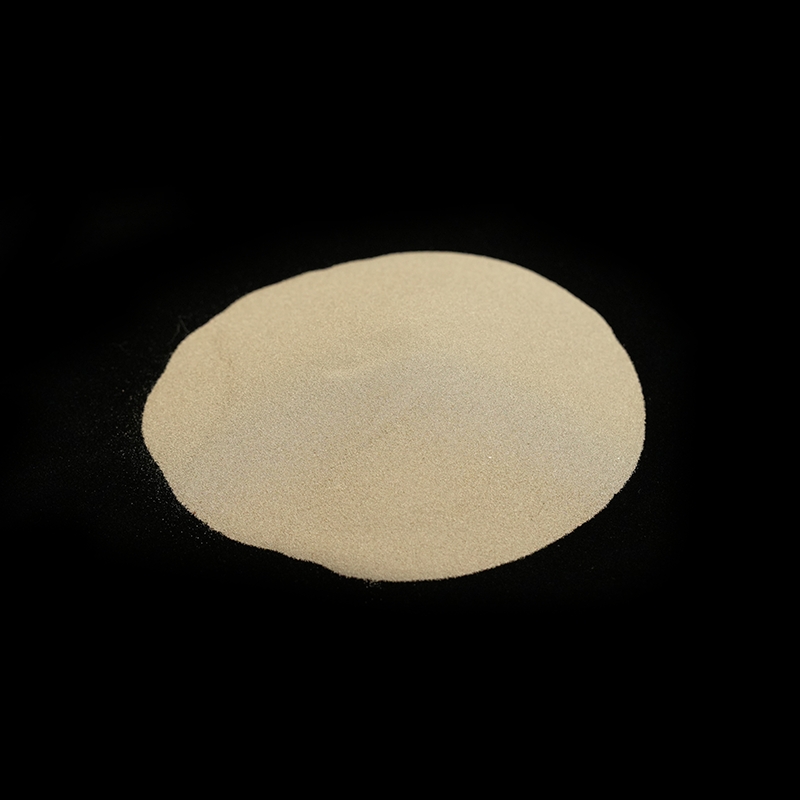
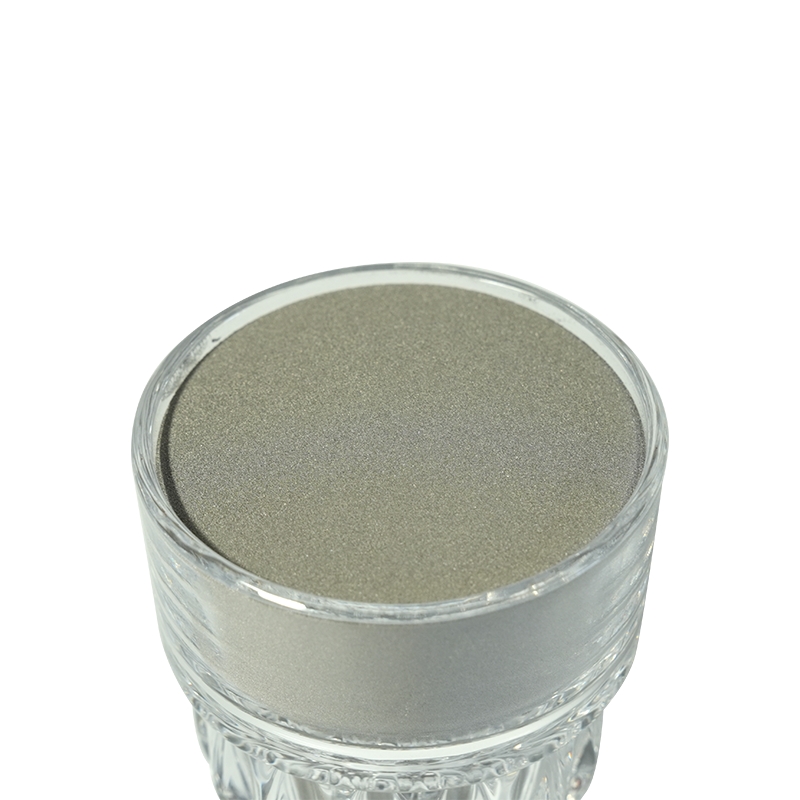
O pó de óxido de alumínio é misturado com ligantes e prensado ou extrudado em um formato de eixo áspero e depois queimado em temperaturas extremamente altas em um processo chamado sinterização. Esta etapa funde as partículas cerâmicas, criando um eixo denso e sólido com a dureza e resistência características do material.
Retificação de diamante para tolerâncias de precisão
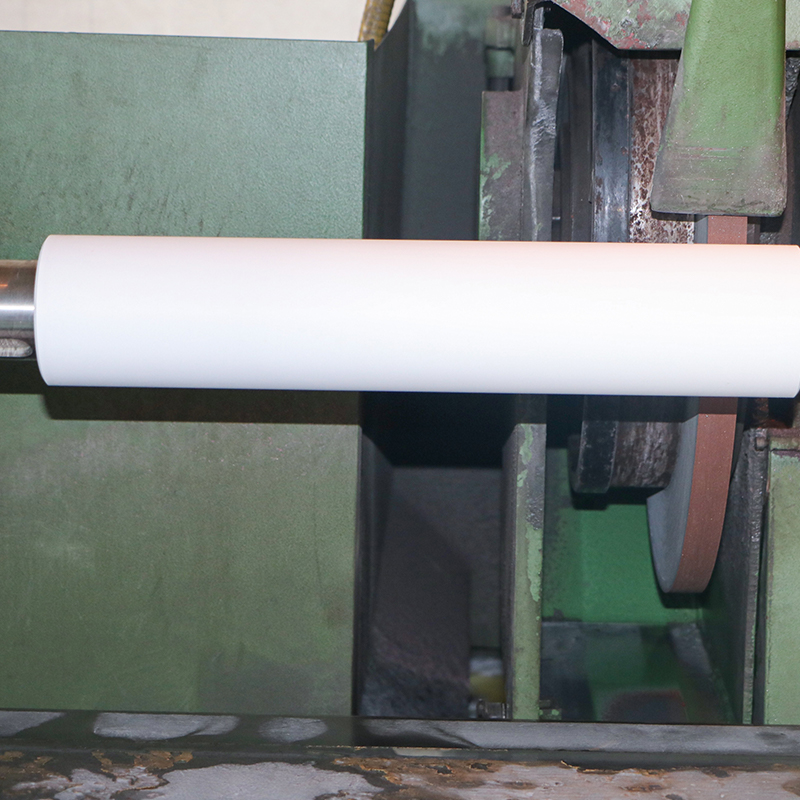
Como o óxido de alumínio é muito difícil de usinar com ferramentas de corte padrão após a sinterização, os fabricantes usam rebolos diamantados para obter as dimensões finais e o acabamento superficial. Esta etapa é crítica para eixos que precisam de tolerâncias restritas para ajustes de rolamentos ou alinhamento rotacional preciso em equipamentos sensíveis.
Considerações importantes antes de selecionar um eixo cerâmico
Embora os eixos cerâmicos de óxido de alumínio ofereçam benefícios impressionantes, eles não são automaticamente a escolha certa para todas as aplicações. Vale a pena pesar cuidadosamente alguns fatores antes de tomar uma decisão final.
- Os materiais cerâmicos são frágeis em comparação com o metal e podem rachar ou lascar sob cargas de impacto repentino
- O projeto do eixo deve minimizar cantos vivos ou concentrações de tensão que possam levar à fratura
- Os métodos de montagem e acoplamento precisam levar em conta a menor resistência à tração do material em relação ao metal
- Os custos iniciais de material e usinagem são normalmente mais altos do que os de eixos metálicos comparáveis
- As diferenças de expansão térmica entre o eixo cerâmico e os componentes metálicos correspondentes devem ser calculadas cuidadosamente
Trabalhar em estreita colaboração com um fabricante experiente em projeto de componentes cerâmicos ajuda a abordar essas considerações antecipadamente, especialmente em torno da geometria do eixo e dos métodos de montagem que reduzem os pontos de concentração de tensão onde as trincas têm maior probabilidade de se originar.
Dicas para manuseio e instalação de eixos cerâmicos
Como os eixos de cerâmica de óxido de alumínio são mais frágeis que os de metal, o manuseio adequado durante a instalação e manutenção é essencial para evitar danos dispendiosos.
Evite impacto e carregamento pontual
Nunca bata diretamente em um eixo de cerâmica com um martelo ou ferramenta de metal durante a instalação e evite configurações que concentrem força em uma pequena área de contato. O uso de acessórios de prensa apropriados e a distribuição uniforme da carga durante a montagem evitam microfissuras que poderiam levar à falha posteriormente sob estresse operacional normal.
Use materiais de acoplamento compatíveis
O emparelhamento de um eixo cerâmico com acoplamentos ou rolamentos projetados para acomodar suas diferentes taxas de expansão térmica ajuda a evitar o acúmulo de tensão que poderia quebrar o eixo durante as flutuações de temperatura durante a operação.
Considerações finais sobre a escolha de um eixo cerâmico de óxido de alumínio
Um eixo cerâmico de óxido de alumínio oferece uma combinação atraente de dureza, resistência à corrosão e isolamento elétrico que os eixos metálicos simplesmente não conseguem igualar em muitas aplicações exigentes. Desde bombas de processamento químico até equipamentos semicondutores de precisão, este material resolve problemas que, de outra forma, exigiriam substituição frequente de peças ou revestimentos de proteção complexos em componentes metálicos tradicionais. Ao compreender os pontos fortes do material, trabalhar com fabricantes experientes no projeto adequado do eixo e seguir práticas cuidadosas de manuseio durante a instalação, os engenheiros podem aproveitar ao máximo o que os eixos cerâmicos de óxido de alumínio oferecem, evitando as falhas relacionadas à fragilidade que às vezes dão à cerâmica uma reputação imerecida de fragilidade.